

Tyseley ERF
An EfW facility based upon conventional combustion technology and considered an ERF based on its R1 status. Tyseley ERF (also known as Birmingham ERF due to its location in central Birmingham) has a permitted capacity of 440,500 tonnes per annum and is operated by Veolia.
The waste feedstock utilised at the plant is primarily Municipal Solid Waste originating from Birmingham and some clinicla and hazardous waste via a dedicate line for processing[1][6].
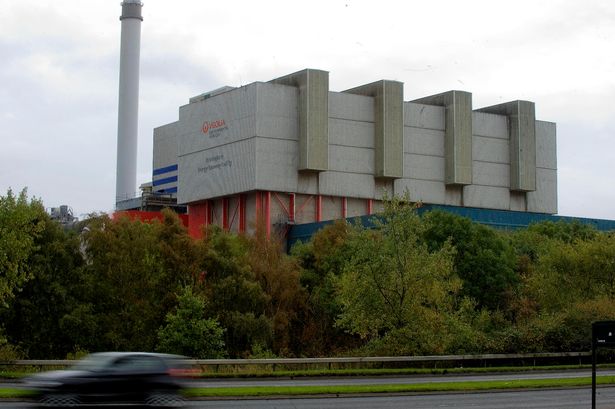
Site Details
| Operator | Veolia |
|---|---|
| Site | Tyseley ERF |
| Size | Large |
| Permit No | WP3239SJ |
| Plated Capacity | 441 |
| Status | Operational |
Plant Description
Tyseley ERF is a convention combustion approach with 2 lines of grate technology, each able to process 23.5 tonnes of waste per hour to process residual household and commercial waste and a third line designed for processing clinical waste and designated hazardous waste at 600kg/hr.
The plant generates 27MWe for export ot the grid[6].
History
Veolia signed a 25-year contract with Birmingham City Council in 1993 for the delivery of the facility[3].
The facility was built in 1996 by Veolia, just to the east of Birmingham City Centre in order to treat waste that cannot be re-used, recycled or composted[1].
Prior to the Waste Incineration Directive came into force in 2005, Fichtner provided engineering and project management support to Veolia to enable the plant to meet the new standards of the WID[4].
In June 2020, Veolia announced plans to alter the Environmental Permit of the site which now allows the plant to accept a maximum of 10,000 tonnes a year of 'orange bagged' healthcare waste[3].
In January 2024 the contract to manage Birmingham's waste, including the EfW, was awared to Veolia to 2024[5].